11/1/12

Finances

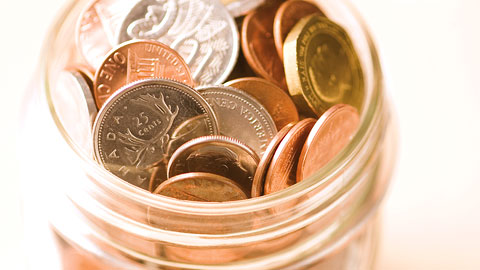
“We encourage you wherever you may live in the world to prepare for adversity by looking to the condition of your finances. We urge you to be modest in your expenditures; discipline yourselves in your purchases to avoid debt. … If you have paid your debts and have a financial reserve, even though it be small, you and your family will feel more secure and enjoy greater peace in your hearts” (All Is Safely Gathered In: Family Finances).

Pay Tithes and Offerings

tithes and offerings
Successful family finances begin with the payment of an honest tithe and the giving of a generous fast offering. The Lord has promised to open the windows of heaven and pour out great blessings upon those who pay tithes and offerings faithfully (see Malachi 3:10 and Isaiah 58:6–12).

Tithing

If our tithing is the first obligation met, our commitment to this important gospel principle will be strengthened and the likelihood of financial mismanagement will be reduced.

Fast Offerings

On fast day, we go without food and drink for two consecutive meals, if physically able, and then give to the bishop a fast offering at least equal to the value of the food not eaten. If possible, we should be very generous and give more. The bishop uses the fast offerings to care for the poor and needy.

Avoid Debt

Spending less money than you make is essential to your financial security. Avoid debt, with the exception of buying a modest home or paying for education or other vital needs. If you are in debt, pay it off as quickly as possible. Some useful tools in becoming debt free are a debt-elimination calendar and a family budget worksheet.

Distinguish between Needs and Wants

We must learn to distinguish between wants and needs. We should be modest in our wants. It takes self-discipline to avoid the “buy now, pay later” philosophy and to adopt the “save now and buy later” practice.
Elder Joseph B. Wirthlin (1917–2008) taught: “All too often a family's spending is governed more by their yearning than by their earning. They somehow believe that their life will be better if they surround themselves with an abundance of things. All too often all they are left with is avoidable anxiety and distress” (“Earthly Debts, Heavenly Debts,Liahona, May 2004, 42).

Getting—and Staying—out of Debt

We should avoid debt. There is nothing that will cause greater tensions in life than grinding debt, which will make the debtor a slave to creditors. A specific goal, careful planning, and determined self-discipline are required to accomplish this.
President N. Eldon Tanner (1898–1982) taught: “Those who structure their standard of living to allow a little surplus, control their circumstances. Those who spend a little more than they earn are controlled by their circumstances. They are in bondage” (“Constancy amid Change,” Liahona, Feb. 1982, 46).

Use a Budget

budget
Keep a record of your expenditures. Record and review monthly income and expenses. Determine how to reduce what you spend for nonessentials.
Use this information to establish a family budget. Plan what you will give as Church donations, how much you will save, and what you will spend for food, housing, utilities, transportation, clothing, insurance, and so on.
Discipline yourself to stay within your budget plan. A budget worksheet is a useful tool to help you with your plan.
Refer to page 7 in the pamphlet One for the Money for a budget worksheet.

Build a Reserve

Gradually build a financial reserve, and use it for emergencies only. If you save a little money regularly, you will be surprised how much accumulates over time.
President Gordon B. Hinckley (1910–2008) taught: “Set your houses in order. If you have paid your debts, if you have a reserve, even though it be small, then should storms howl about your head, you will have shelter for your wives and children and peace in your hearts” (“To the Boys and to the Men,Liahona, Jan. 1999, 66; October 1998 general conference).

Teach Family Members

teach family
Teach family members the principles of financial management. Involve them in creating a budget and setting family financial goals. Teach the principles of hard work, frugality, and saving. Stress the importance of obtaining as much education as possible.

Drinking Water Guidelines

water

Water Storage

Commercially bottled water in PETE (or PET) plastic containers may be purchased. Follow the container’s “best if used by” dates as a rotation guideline. Avoid plastic containers that are not PETE plastic.
If you choose to package water yourself, consider the following guidelines:
Containers
Use only food-grade containers. Smaller containers made of PETE plastic or heavier plastic buckets or drums work well.
Clean, sanitize, and thoroughly rinse all containers prior to use. A sanitizing solution can be prepared by adding 5 ml (1 teaspoon) of liquid household chlorine bleach (5 to 6% sodium hypochlorite) to 1 liter (one quart) of water. Only household bleach without thickeners, scents, or additives should be used.
Do not use plastic milk jugs, because they do not seal well and tend to become brittle over time.
Do not use containers previously used to store non-food products.
Water Pretreatment
Water from a chlorinated municipal water supply does not need further treatment when stored in clean, food-grade containers.
Non-chlorinated water should be treated with bleach. Add 8 drops of liquid household chlorine bleach (5 to 6% sodium hypochlorite) for every 4 liters (one gallon) of water. Only household bleach without thickeners, scents, or additives should be used.
Storage
Containers should be emptied and refilled regularly.
Store water only where potential leakage would not damage your home or apartment.
Protect stored water from light and heat. Some containers may also require protection from freezing.
The taste of stored water can be improved by pouring it back and forth between two containers before use.

Water Purification

If your water supply is not known to be safe or has become polluted, it should be purified before use. Water purification is generally a two-step process.
Step 1: Clarify
Cloudy or dirty water must first be made clear. It should be passed through filter paper, fine cloth, or some other filter. It should be allowed to settle, and then the clear water on top can be carefully drawn. Filtered or clear settled water should always be disinfected before use.
Step 2: Disinfect
Boiling Method
Bringing water to a rolling boil for 3 to 5 minutes will kill most water-borne microorganisms. However, prolonged boiling of small quantities of water may concentrate toxic contaminants if present.
Bleach Method
Adding 8 drops of fresh liquid household chlorine bleach (5 to 6% sodium hypochlorite) to every 4 liters (one gallon) of water will kill most microorganisms. Only household bleach without thickeners, scents, or additives should be used. The use of bleach does not address toxic contamination.
Commercial Water Filters
Commercial water filters can effectively filter and purify water contaminated with microorganisms, toxic chemicals, and heavy metals. Their effectiveness depends on design, condition, and proper use.

by. lds.org
 

Fifty food items to stockpile now: Health Ranger releases preparedness foods shopping list


Wednesday, August 22, 2012
by Mike Adams, the Health Ranger
Editor of NaturalNews.com


(NaturalNews) With food prices skyrocketing and food supplies looking increasingly questionable for 2013, you'll be happy to know I've selected and assembled a list of recommended storable foods from a trusted discount source. All the foods listed below have a great shelf life, from two years to a decade. In this article, I've listed two sources: 1) Things you can buy at your local grocery store, and 2) Things you can get at a discount at an online organic foods retailer.

Remember: The U.S. government is stockpiling food (and ammo, too) like crazy. Even the government's website www.Ready.gov encourages citizens to stock up on emergency supplies and "make a plan." The word "stockpiling" used to have a negative meaning, describing "hoarding" behavior. But these days the word "stockpiling" simply describes smart people who are intelligently preparing to protect themselves, their families and even their local communities (church groups, neighborhoods, etc.) from the possibility of serious disruptions in the food supply.

Keep in mind that not everything I list below is organic. Although I'm a huge advocate of organic foods, when it comes to storable foods I often bend my own rule and allow for non-organic because it's for emergency use. (I'm not eating these foods every day, so I'm not as concerned about the non-organic status.)


The second list focuses on items you can buy at any grocery store, right now!

Shopping list items selected by the Health Ranger

Bar Harbor brand - Clam Chowder, Fish Chowder, Fish Stock, Whole Maine Cherrystone Clams - I'm really liking the Bay Harbor brand of clam chowder and fish chowder. Although not certified organic, this is the only chowder I've ever found that isn't salted to death. The quality of the chowder is excellent, the spices are completely natural, and they use no MSG or chemical garbage. Personally, I've stocked up on 48 cans of their clam chowder and 48 cans of their fish chowder, and this will be my backup supply of chowder in case the food supplies get disrupted.

Sensible Foods - CherryBerry Crunch Dried Fruit, Tropical Blend - Although not certified organic, this provides a long-term storable supply of fruit nutrients which are crucial if you're living in stressful times. Lots of natural vitamin C in these fruits, and the shelf life is at least 2 years.

Artisana - Extra Virgin Coconut Oil - This is a very high quality brand of 100% Cold-pressed Extra Virgin Organic Coconut Oil. I like coconut oil as a preparedness item because it's a food, a topical healing substance, and it can even be used as a mechanical lubricant in a pinch.

Bob's Red Mill - Bountiful Black Bean Soup Mix - It's a great way to store a large quantity of "soup potential" in a small space. It's made of Black Beans, Black-Eyes Peas, Pearly Barley and Navy Beans. Add some coconut oil to the soup mix and you've got a healthy fat.

Bob's Red Mill - Vegi Soup Mix - I like this soup mix because it's delicious, easy to make and uses no MSG or other weird chemicals. Ingredients include Green Split Peas, Yellow Split Peas, Barley, Lentils and Vegetable Pasta (Containing Whole Wheat Flour, Dehydrated Spinach, Tomato, Celery, Onion, Beets, Garlic).

Bob's Red Mill - Organic Creamy Buckwheat Hot Cereal - A super healthy, high-protein cereal that's great for survival and preparedness. Better than oatmeal for this purpose.

Carrington Farms - Organic Milled Flax Paks - 100% Organic Cold Milled Micro Cleansed Flax Seed - I've found these to be outstanding portable packets of flax seeds, an important source of omega-3 fatty acids. Most flax packs are too large, and flax tends to go rancid very quickly, so these small packs are perfect for portable food storage. You can use these in oatmeal, smoothies, salads, bake mixes, and practically anywhere.

Coconut Secret - Raw Coconut Crystals - These are very handy as a natural sweetener. They contain far more minerals than processed white sugar, and in a collapse scenario, natural sweeteners will be a fantastic barter item.

Newman's Own - Raisins - Believe it or not, raisins are a fantastic form of portable nutrition and healthy calories. They should be part of any food preparedness shopping list.

3 Tray Stackable Sprout Garden - Perfect for sprouting, which is one of the most important methods for growing your own nutrition and having live foods during hard times. (Also be sure to acquire a good supply of sprouting seeds. I like alfalfa the best.)

Wild Planet Foods - Wild Sardines in Extra Virgin Olive Oil - A great source of omega-3 fatty acids from fish. Long shelf life, portable and easy to barter, too. More valuable than gold when people are starving...

Fine Ground Celtic Sea Salt in Resealable Bag - Don't skimp on the salt! Salt will be hard to come by in a food supply collapse. You'll need more salt than you probably think, and salt stores for a long, long time as long as you keep it dry.

Sprout Baby Food - Beef & Vegetable Lasagna - Believe it or not, these "Sprout Baby Food" products are better than most storable foods. They're only lightly salted, so you'll need to add your own salt. The ingredients are mostly organic, and the small packs are very portable, easy to carry (even in your pockets), and easy to barter.

Essential Living Foods - Superfood Smoothie Mix - This is an excellent smoothie base, into which you can add fruits or other items. Ingredients are: Raw Hemp Seed Powder*, Brazil Nut Powder*, Mesquite Powder*, Coconut Sugar*, Raw Lucuma Powder*, Raw Goji Berry Powder*, Raw Acai Powder*, Raw Vanilla Bean Powder*. *Organic

Camu Camu Powder - An excellent, natural source of vitamin C. Very potent. Store this in the refrigerator or freezer, if possible.

Acai Powder - Powerful nutrients for sweetening any smoothie. Loaded with antioxidants and other phytonutrients. Store this in the refrigerator or freezer, if possible.

Recommended storable foods you can acquire at any grocery store

These items are very low cost, loaded with nutrients, and are easy to store:

• Sugar (not to eat, but to barter with. Never eat white processed sugar.) Buy coconut sugar if you can.
• Pepper (a basic spice, easy to store, easy to barter).
• Mustard (excellent nutrition, believe it or not. Made from mustard seeds.)
• Raisins (easy to store and barter)
• Lard (yeah, lard. On a cold winter's night when the heat is off, you'll wish you had some soup made with lard... and it's healthier than "vegetable oil" which is mostly GMO soybean oil anyway.)
• Butter
• Pickled vegetables (all kinds, including sauerkraut)
• Coffee (even if you don't drink it, you can barter it. People will be desperate.)
• Coffee filters (can also be used to help filter water, cooking oil and other items)
• Brown rice (large bags)
• Steel-cut oatmeal
• Local honey (stored practically forever)
• Sardines and anchovies packed in olive oil (excellent storable omega-3s)
• Sea salt (you almost can't have too much salt stored away...)
• Yet more sea salt
• And even MORE sea salt, because you will run out in a prolonged collapse scenario.
• Peanut butter (portable, high calories, which you'll need)
• Canned meats (long shelf life)
• Canned vegetables (you'll need the nutrients)
• Natural dried meats (AVOID all MSG!)
• Nuts and nut mixes (almonds, cashews, etc.)
• Cans of coconut milk or coconut fat (adds delicious flavor to any meal)
• Spare can openers, kitchen knife, small cutting board, etc.

How to store these foods

For things like the soup mixes, you can't just store the bags without protection from rodents. You'll need to acquire 5-gallon pails with sturdy lids. You can get these locally at a hardware store such as Home Depot or Lowe's. Pack the foods in the pails, then attach the lids securely. This will keep out mice, ants, and so on.

You can also sprinkle some DE (diatomaceous earth) in the pails, around the floor, etc., to discourage insects and ants. DE is harmless to humans unless you inhale it. You can actually eat small quantities of it quite safely (some people actually use it as a detox supplement).

Obviously, do not use chemical insecticides of any kind, as they are likely to contaminate your stored food.

Store all your food in a cool, dry, dark place. A dry root cellar is ideal. Refrigerate foods if you have refrigeration space.

Items like salt and honey can store literally for thousands of years under the right conditions. Beans and grains can typically be stored for 5 - 10 years. More perishable items such as raisins are usually only good for 1-2 years. Canned foods and items like sardines are typically good for 2-3 years, depending on the item.

If you do eat some of your preparedness items on a regular basis, make sure you eat the older items first. Many preparedness experts recommend "store what you eat, and eat what you store" in order to keep your food supplies rotated and fresh. Personally, I differ a bit from that because I tend to eat fresh foods while storing non-fresh foods.

The important thing is to get squared away now, while foods are cheap and readily available. Through Green PolkaDot Box, I've selected items that I recommend for preparedness, and that list of what you'll see on the page at www.GreenPolkaDotBox.com.

(Use coupon code NN50 to save $50 off your first order.)

Shipping is free on orders over $75 (see their website for details), so you pay nothing for shipping. With the help of Green PolkaDot Box, many of my own friends and family members have been able to get stocked up while saving money on storable foods. This has been a real money-saver for many people I know.

Get started there today while the $50 credit remains available (using coupon code NN50 at checkout). If you're already a member, review the list of the foods I've selected there, and see if any of those make sense for you as preparedness items.

For the record, by the way, this list I've shared here is NOT a complete list of everything you need. It's just a list to get started. Beyond this list, you will obviously need a water filter, a light source, a heat source, self defense items, communications gear, cooking utensils, emergency medicine herbs and tinctures, and many other similar items. Keep reading NaturalNews for more preparedness ideas and recommendations, as we will continue to cover this topic on a regular basis.

Final thoughts: Beyond food, you also need garden seeds

One thing I know without question is that, throughout history, every collapse scenario has caused a food crisis where people went hungry. The best way to insulate yourself from that -- and to promote calm during a crisis -- is to have a supply of several month's worth of food already squared away. Most of us who are into real preparedness have at least one year's worth of food stored for the entire family. (That's a lot of food, and it takes a lot of space.) But even if you're starting from scratch, you can at least store up a few weeks worth of food to get started. From there, you can add to it as you find the funds.

Oh, and by the way, if you're looking for what I believe to be the world's best selection of 100% heirloom survival garden seeds, the answer is right here:

http://www.supplysource.com/surthrival-seed-can

Description from the site:

The SurThrival Seed Can contains the finest collection of pure non-hybrid open pollinated seeds for the health and survival of you and your family. These organic heirloom strains will produce a delicious array of fruits, veggies and grains in your home garden for optimal nutrition including important proteins, carbohydrates, minerals, vitamins, and enzymes with extra greens for a boost from life force promoting chlorophyll plus varieties that provide essential oils, herbal medicinals, and even nectar for your garden pollinators and forage for chickens, horses and cattle. The SurThrival Seeds Collection provides seeds for barter including the highly prized and rare Hopi Tobacco seeds -- the original cultivar of North America.

All protected inside this steel can in moisture resistant packaging to keep these live embryos fresh and long lasting for years of planting productivity. Sow, harvest and learn to save seed -- your personal seed bank will support a lifestyle of food independence with the pleasure of fresh picked home grown goodness. Harnessing sun energy direct through your very own efforts -- for your health freedom and safety!

 

                          Emergency Preparedness: Winterize your Car

Many of us know to buy a bag of rock salt or ice melt, sand,etc for sidewalks during winter weather, but now is the perfect time to gather a few items to store in your vehicle during winter, just in case you find yourself in a bad situation.

You'll have so much peace of mind by having this done.

You can even make a family activity of it by making the list into a scavenger hunt for the family around the house or at a local store if you need to purchase items.

www.ready.gov has two lists for winterizing your car. The first is a list of manintenance items you should do before winter, and the second is a list of items to update or start your emergency kit stored in your car.

List one: Winter Vehicle Maintenance: Antifreeze levels Battery and ignitions system: Make sure in top condition and clean battery terminlas
Brakes: check for wear and fluid levels
Fuel and Air filters: Replace.
Maintain a full tank of gas: This will keep the fuel line from freezing.
Heater/defroster: Make sure work properly
Lights/hazard flashing lights: Make sure work properly
Oil: check level&proper weight/Heavier oils congeal more at low temps. and do not lubrica well. Thermostat - ensure it works properly.
Windshield wiper equipment - repair any problems and maintain proper washer fluid level.
Install good winter tires - Make sure the tires have adequate tread.

List Two: Update your Car's Emergency Kit:
a shovel
windshield scraper and small broom
flashlight
battery powered radio
extra batteries
water
snack
food
matches
extra hats, socks and mittens
first aid kit with pocket knife
necessary medications blanket(s)
tow chain or rope road
salt and sand
booster cables
emergency flares
fluorescent distress flag

10/22/12


72-Hour Kit Checklist

You should prepare a portable kit for each member of your family. Consider
preparing one for your place of work as well as one for children to keep at
school and one for the car.
 
Consider creating two types of kits: one that has everything you will need if you are required to stay in your home and a smaller, lightweight version to take with you if you have to evacuate. Both kits should include enough supplies to take care of your needs for at least three days.
 
Workers and students should consider keeping a small kit at their place of work or school. For those who spend a lot of time in the car, keep a kit in the trunk.
When preparing for a possible emergency situation, it's best to think first about the basics of survival: fresh water, food, clean air and warmth.

Recommended Items to Include in a Basic Emergency Supply Kit:

  • Water, one gallon of water per person per day for at least three days, for drinking and sanitation
  • Food, at least a three-day supply of non-perishable food
  • Battery-powered or hand crank radio and a NOAA Weather Radio with tone alert and extra batteries for both
  • Flashlight and extra batteries
  • First aid kit
  • Whistle to signal for help
  • Dust mask, to help filter contaminated air and plastic sheeting and duct tape to shelter-in-place
  • Moist towelettes, garbage bags and plastic ties for personal sanitation
  • Wrench or pliers to turn off utilities
  • Can opener for food (if kit contains canned food)
  • Local maps

Additional Items to Consider Adding to an Emergency Supply Kit:

  • Prescription medications and glasses
  • Infant formula and diapers
  • Pet food and extra water for your pet
  • Important family documents such as copies of insurance policies, identification and bank account records in a waterproof, portable container
  • Cash or traveler's checks and change
  • Emergency reference material such as a first aid book or information from www.ready.gov
  • Sleeping bag or warm blanket for each person. Consider additional bedding if you live in a cold-weather climate.
  • Complete change of clothing including a long sleeved shirt, long pants and sturdy shoes. Consider additional clothing if you live in a cold-weather climate.
  • Household chlorine bleach and medicine dropper - When diluted nine parts water to one part bleach, bleach can be used as a disinfectant. Or in an emergency, you can use it to treat water by using 16 drops of regular household liquid bleach per gallon of water. Do not use scented, color safe or bleaches with added cleaners.
  • Fire Extinguisher
  • Matches in a waterproof container
  • Feminine supplies and personal hygiene items
  • Mess kits, paper cups, plates and plastic utensils, paper towels
  • Paper and pencil
  • Books, games, puzzles or other activities for children
Source: U.S. Department of Homeland Security

Emergency Container Tip:

Create emergency kit(s) and store in any type of containers with wheels. Such as for the larger kits; garbage cans, foot-lockers, chest, duffle bags, tote bags, ice chest, various size suitcases or various size plastic boxes. A water-tight container is most ideal for keeping a 72-Hour Kit.  

Suggested Areas To Store Emergency Kit(s):
Store grab-and-go food and water container where easy to access in case you are advised to evacuate.
Children and adults keep their emergency kit(s) in their bedrooms. Let the children have responsibility for their own backpack and have the older children buddy-up and take care of younger brothers or sisters. Mom, dad take care of baby.
 
If a senior citizen resides with the family, also buddy-up and help them for they move slower and a backpack may be too heavy for them to carry.
 
Don't forget house pets should also have emergency kits ready to grab-and-go.

Pack the foods pet(s) normally eat, leashes, crates, and litterbox.
 
Re-think where all of your camping gear is located throughout the household. Keep in one area if possible for easy access so you're not looking in the dark with a flashlight for things. 

Always keep a pair of hard sole shoes underneath your bed.

10/21/12

Emergency Preparedness Checklist

Basic Food ( one year supply)
 
checkbox Fruit & Vegetables - 370 lbs per person
(Dried fruits & Vegetables can reduce the weight to about 90 lbs per person)
checkbox Grains (Wheat, Rice, Corn, other Cereal Grains) - 300 lbs per person
checkbox Nonfat Dry Milk - 75 lbs per person
checkbox Dried Legumes - 60 lbs per person
checkbox Sugar or Honey - 60 lbs per person
checkbox Salt - 5 lbs per person
checkbox Fat or Oil - 20 lbs per person

Optional Food ( one year supply)

checkbox Comfort/stress foods (cookies, candy, breakfast cereals, soda pop, instant coffee, tea bags, cocoa, etc.)
checkbox Dried spices (choose the spices your family likes)
checkbox Juices (canned or powdered, kool-aid)
checkbox Vitamins
checkbox Baking powder
checkbox Bouillon (beef & chicken)
checkbox Pasta (spaghetti, macaroni, lasagna, etc)

Basic & Optional Supplies

checkbox Cooking & Eating Utensils (pots, pans, plates, cups, forks, spoons, knives, etc.)
checkbox Can Opener ( no electricity required)
checkbox Flashlights with Extra Batteries
checkbox Swiss Army Knife
checkbox Multi-Purpose Tool Box
checkbox Matches & Lighters (some waterproof/windproof)
checkbox Candles and Oil Lamps
checkbox Chemical Light Sticks
checkbox Fire Extinguisher
checkbox Rope
checkbox Aluminum Foil
checkbox Plastic Buckets (plenty of extra buckets on hand)
checkbox Sewing Kit (needles, thread, scissors, etc)
checkbox Smoke Alarms (Extra Batteries)
checkbox Shut off Wrenches (Water, Gas, etc.)
checkbox Baby Supplies (bottles, bottle liners, wipes, diapers, ointments, etc.)
checkbox Rolls of Plastic Sheeting (solar stills, shelter, roof leak repair, many uses)
checkbox Toilet Paper
checkbox Hygiene Supplies (toothpaste & brushes, floss, deodorant, razors, shave cream, hydrogen peroxide, shampoo, etc.)
checkbox Feminine Hygiene Supplies (may want to consider the Keeper)
checkbox Cleaning Supplies (soap, detergents, disinfectants, chlorine bleach, garbage bags)
checkbox Extra Personal Items (contacts & solution, eyeglasses, dentures, retainers, )
checkbox Pet supplies (food, litter, vaccines, etc.)

Communications

checkbox CB Radio/walkie-talkies
checkbox Radio Frequency Scanners
checkbox AM/FM radio with weather band (battery Operated)
(High powered reception)(Plenty of extra Batteries)

First Aid Kit

checkbox syrup of ipecac
checkbox Band-Aids - assorted sizes
checkbox nylon or paper tape
checkbox butterfly bandages (3 - make with 1 " adhesive tape)
checkbox adhesive tape - 1" wide
checkbox gauze - 2" wide
checkbox cotton - tipped swabs
checkbox telfa sterile pads (4)
checkbox gauze sterile pads 4"x4" (10)
checkbox sterile eye pads (2)
checkbox magnifying glass (remove splinters ~ dirt in eyes)
checkbox tweezers
checkbox flashlight (light outage ~ check pupils)
checkbox needle (remove splinters)
checkbox antibacterial ointment (bacitracin ingredient)
checkbox sharp, blunt end scissors
checkbox ammonia inhalant (fainting)
checkbox calamine lotion (insect bites, poison iv)1
checkbox children's aspirin & liquid acetaminophen - only as directed by a physician
checkbox petroleum jelly (helps prevent nosebleeds, lubricate thermometer)
checkbox hydrogen peroxide (cleans wounds after initial cleansing, keep away from eyes)
checkbox iodized salt (heat exhaustion, ltsp. Salt in qt. Water)
checkbox plastic drinking cups
checkbox ace bandage (3" wide)
checkbox safety pins
checkbox thermometer (rectal for under 4 years of age)
checkbox large clean cloth (to restrain child or for burns)
checkbox tape measure (length of wounds)
checkbox rubbing alcohol (remove ticks)
checkbox bar soap, non-perfumed
checkbox insect kit (if history of severe allergies)
checkbox baking soda (soothes insect bites)

Medical

checkbox Special Equipment (if anyone has special equipment needs gear up)
checkbox Special Conditions (if anyone has special conditions gear up on supplies)
checkbox Prescriptions (see if your Doctor will write up extra prescriptions?)

Money

checkbox Cash (one month supply)

Power & Heat

checkbox Batteries - (plenty of extra batteries for everything you can think of)
checkbox Generator & Fuel
checkbox Wood Burning Stove
checkbox Kerosene Heaters
checkbox Warming Pads for hand/body
checkbox Other Alternate Heat Sources (battery powered carbon monoxide detector)
checkbox Extra blankets & sleeping bags and winter clothing
checkbox Dogs are a good heat source
 
Water

checkbox Water Storage Containers (1,5,55 gallon etc.)
checkbox Water Filters / Purification Systems
checkbox Water Purification Tablets
checkbox Bleach for Water Purification
checkbox Solar Water Stills

Other

checkbox Anything else you can think of that you might need or want!